
Fit With Relevant Strategies
During adverse weather events, such as floods (which are increasingly common) when community water resources are contaminated. An MCS system can be connected to any kind of watershed, and run continuously to produce pure water, at 20,000L/hour, providing an invaluable resource in an emergency. And preventing the trucking of water, and profusion of plastic bottles, as the water can be produced on-site.
The Government has recently launched a strategy for advanced manufacturing in Aotearoa. The MCS will create opportunities in advanced manufacture of membrane plants, with the potential to revolutionise milk collection globally and provide a significant export market.
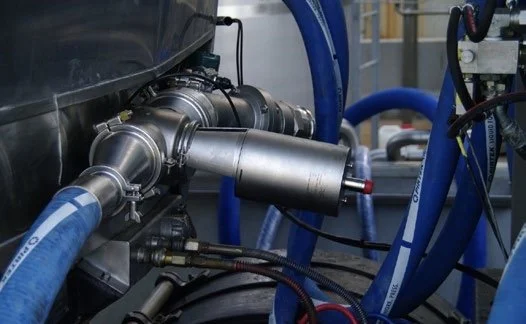
The MCS also contributes to New Zealand Dairy’s mission, to being the lowest carbon footprint milk producer in the world. Helping us stay at the forefront of low carbon production, and letting consumers and businesses buy NZ Dairy with confidence, knowing our carbon footprint, even exported from one side of the world to the other, is the world’s lowest.
https://www.agresearch.co.nz/news/research-shows-nz-dairy-the-worlds-most-emissions-efficient/
Water holds immense importance in the lives and culture of the Māori people. For the Māori, water is not merely a physical resource; it is a sacred taonga (treasure) that nurtures their identity, traditions, and spiritual beliefs. Known as "wai," water is deeply intertwined
with their ancestral connections and the concept of whakapapa (genealogy). It sustains life and symbolizes purity, cleansing, and renewal. Waterways like rivers, lakes, and oceans are revered as the lifeblood of the land, providing sustenance for the people, their plants, and their wildlife. Māori see themselves as kaitiaki (guardians) of these precious water sources, ensuring their preservation and the harmonious relationship between people and nature.
Through their intimate relationship with water, the Māori people honour their cultural heritage, demonstrate their respect for the environment, and embody the holistic understanding of their place in the world.
By reducing water removal from the land, we don’t simply save money on transport and processing, but preserve this taonga, returning water back to the land.
Once Osmobilis has funding approval, we will work with our potential partners to collaborate with local Iwi regarding the preservation of local water sources.