About Us
Osmobilis plans to mobilise milk filtration technology to benefit all dairy manufacturers in New Zealand by providing a more sustainable, long-term solution for the collection of milk off farm and transport to processing facilities. This solution will deliver a more productive and optimised milk collection solution, reducing the number of trucks on New Zealand roads, reducing the consumption of diesel fuel, reducing kilometres travelled by heavy trucks, reducing wear on roads and will enable upskilling of truck drivers.
Membrane Filtration technology has become an accepted and widely used technology within the global dairy and desalination industries. Reverse Osmosis (RO) has been the filtration medium of choice, as it has the ability to retain all liquid solids and particulates in its concentrate stream, while the filtrate (water or permeate) is “pure” water.
In product concentration applications, the concentrate or ‘retentate’ is retained and the water is disposed of as surplus; while for desalination and water purification the retentate is disposed of and permeate is retained.
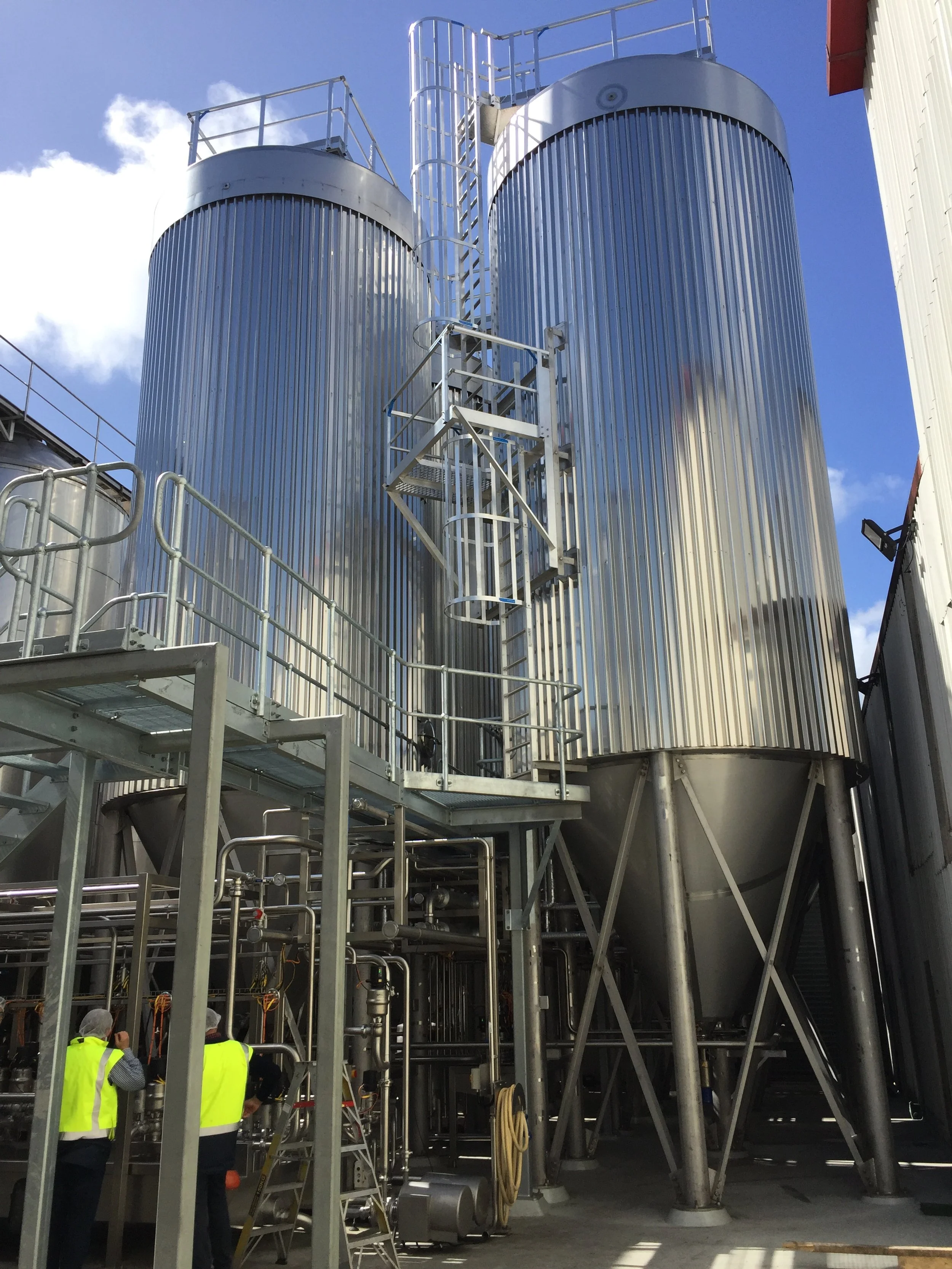
The Mobile Concentration System (MCS) by Osmobilis is the next step in energy efficient sanitary mobile product concentration and water removal technology. Taking what is typically a static installation, and making the RO plant itself mobile, taking this technology to the farm and removing the water from the milk pre transport will have a significant impact of the volume required to be transported.
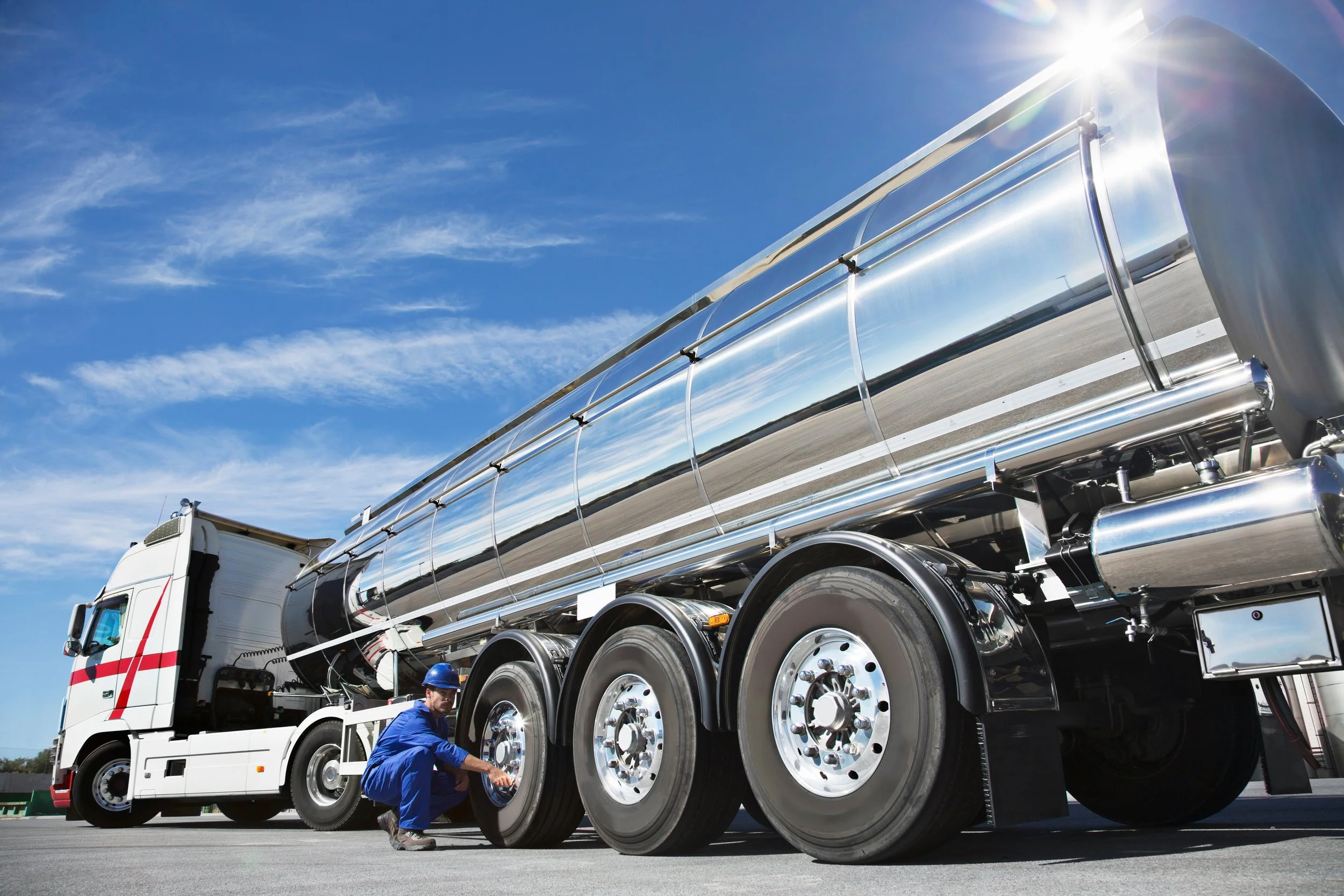
Currently New Zealand produces approximately 21 billion Litres of milk which has to make its way from the farm to the processing facility. The MCS system can remove half the water content from milk, so for example an average milk collection load is 36,000 litres from the last farm collected to the factory. By removing half the water this means that the same tanker can now transport the equivalent of 72,000 litres. The equation can be as simple as saying the current 21 billion litre collection task has the potential to reduce to 11 billion litres over time this solution is fully developed. In the early stages we will be targeting the milk that is the furthest distance from the facility it is processed at for maximum benefit of the MCS unit.
The Osmobilis MCS solution offers extensive potential cost savings in product collection costs and reduced processing plant $/kg operating expenditure due to reduced water removal load. The use of milk concentrate has the potential to improve yield, quality and processing capacity of existing dairy plant assets.
The system also offers an easy to use mobile water purifying platform in applications requiring a fast entry and exit, such as disaster relief.
Pacific Process have proven the performance of the module in the field, with a pilot project in Australia. The MCS project now has increased interest from industry, with a focus on reducing carbon footprint along with rising labour and fuel costs. Michael, Andrew and Daniel have partnered with Scott and Jacqui, along with a Dairy Industry partner within New Zealand, to produce a modular design, and build a small-scale unit for market demonstration purposes.
Our current Emission Reduction Plan’s target is to cut emissions from freight transport by 35 percent by 2035 and this solution takes a very significant step towards that goal as it does not just reduce emissions, it simply removes them as less trucks will be required for the task. Electric, hydrogen or any other low emission trucks can also be used on this task and will be as this technology becomes commercially available.