
Innovation
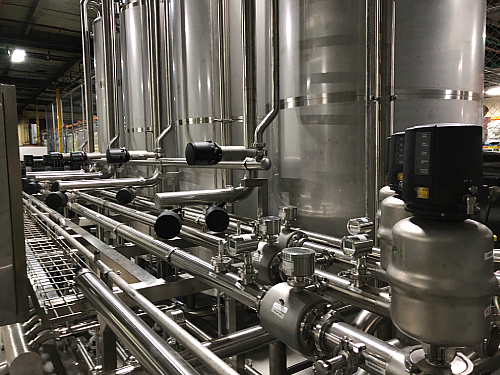
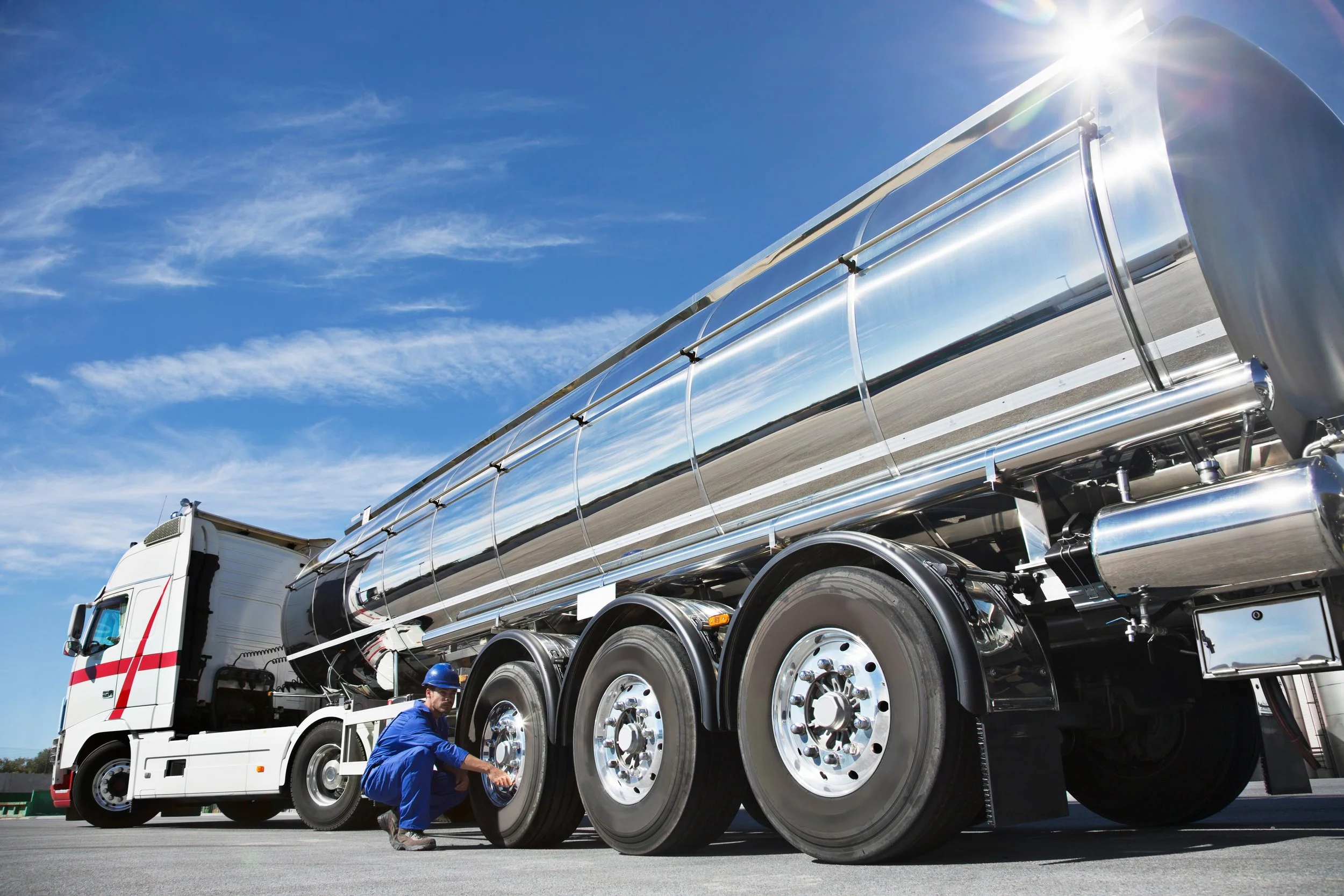
Reverse Osmosis membranes are well understood and heavily utilised in the Dairy Industry. Pacific Process have built a number of membrane plants within New Zealand, and hold a patent for Mobile Concentration. The mounting of RO membranes on a mobile truck is a novel implementation, and vastly reduces the capex vs a static plant (PPNZ estimate by 50%) due to the infrastructure that already exists to service the tanker fleet.
Pacific Process has already proven the performance of mobilised RO in Australia several years ago working with dairy manufacturer, Murray Goulburn Co-operative (sold to Canada’s Saputo back in 2017) on this project with great success. The reason why this solution did not make it to commercial use back then was ,10 years ago, there was no motivation for reducing truck numbers, transport costs were low, companies and countries did not have de carbonisation strategies or targets and truck driver’s availability was plentiful. Also, the condition of our roads was significantly better 10 years ago, but the impacts of the High Productivity Motor Vehicle (HPMV) change which has allowed longer and heavier trucks on New Zealand roads and a lack of investment in road infrastructure, has resulted in a very different condition of our roads today. All of the above are very significant issues for New Zealand as they all impact on the cost, productivity and in 2023, the actual ability to secure drivers and trucks to actually do the job and ensure the milk can be collected off farm. 10 years ago Mobile RO technology was simply ahead of its time.
Roll forward to today, motivation is completely different, and our dairy producers are now looking for long term, sustainable solutions that ensure they achieve their ESG goals, ensure milk can be actually collected off farm, where long term forecasting has driver numbers continuing to reduce. Simply just paying drivers more does not make our country more productive. There is without doubt pressure on truck drivers required in New Zealand with the NZ Trucking Association saying the industry is short of about 4000 drivers and there is also an ageing workforce, with the average driver being 54 years old. So, our solution will aid this situation and help to stabilise the need for drivers in the dairy sector, which will enable other businesses to continue to invest and grow. Our key objective with truck drivers here is to provide an opportunity to upskill drivers, getting them to add more value to the overall process with high levels of productivity, safety and quality, and that will benefit everybody in the long term. Combining transport with the operation of a million dollar mobile membrane plant will increase the responsibility, and enhance renumeration of drivers who are operating a MCS system. This is the precise outcome the industry and country require, a more productive solution and helping this sector to be more self-sufficient and positively impact the remuneration for truck drivers to help deal with inflation and to attract drivers back to the industry.
This solution has the ability to also utilise all potential alternative fuel sources to power the cab and chassis
of this milk collection unit for the future and that could be either electric or hydrogen. The truck used for this application will be a low emission Euro 6/VI, the lowest emission possible for a diesel cab and chassis. The modular system will be compatible with any modern cab / chassis configuration, and is in no-way wedded to the current diesel powered system. PPNZ are already exploring using on-farm electricity as an option for running the membrane plant on site, to further reduce carbon emissions.
Feel free to click the link below for some more information on what has been achieved to date